

Christianity as a game


There’s the kind of Christianity you can experience at church, and then there’s a kind of abstract mechanical Christianity, where small details play an important role, like a delicate mechanical watch.
This post is for the gear heads. Let me know if I’m wrong in my analysis. If I’m right, the ramifications are profound. It would be easier for all Christians if I’m wrong.

If you look at Christianity as a game, the rules don't seem like they should work. You’d think such a religion could never get off the ground. For example, to follow Jesus means you don't defend yourself; and you don’t use force to defend Christ either. And by extension, you don’t defend other Christians. So who are you allowed to fight for then? How does a religion like that manage to survive, let alone inspire beautiful and sublime architecture?
I have one answer. If you’re a king with an army, the easiest territory to capture is one ruled by Christians, since they don’t defend themselves. So you capture their territories, and you’re confident you can keep them. You don’t fear insurrection. If you see another territory you’d like, you can now add their number to yours. All of this can work without the king ever becoming Christian himself. It can’t be that easy, can it?
Jesus specifically taught his followers to not fight against the government. If they slap you, turn the other cheek. If they want to kill you, so be it. Do they want to tax you? That’s fine too. It’s fine even if the government spends your taxes on transsexual orgies. For the modern Christian, it sounds crazy. The Christian is still obligated by their own religion to pay their taxes. When Jesus says his kingdom is not of this world, he really means it. Democracy adds an important wrinkle, but I won’t get into that just yet.
I want to pause for a second because the Jesus I’m describing doesn’t sound like a virtuous character if he’s telling you to support evil. What Jesus is really getting at is a separation between church and state. When a Roman centurion asks Jesus to heal his servant, Jesus does so. Jesus doesn’t rebuke him, or tell him to repent.
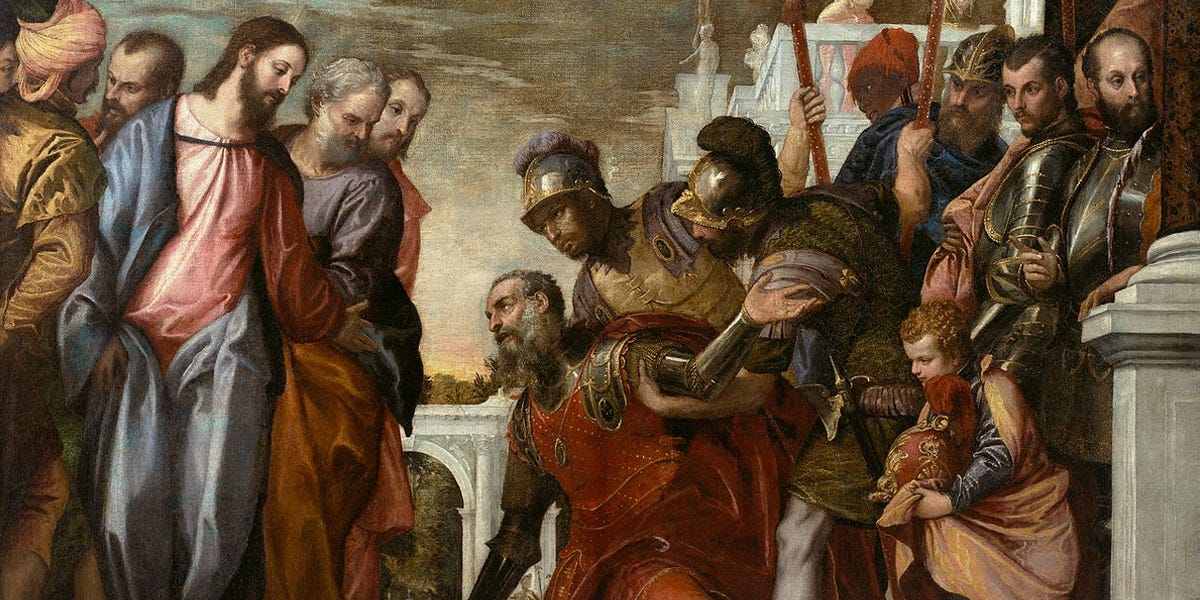
Jesus does not admonish soldiers, or tax collectors, or any of the secular forces. The secular state is what it is. It doesn’t know any better. To be condescending toward them would be foolish. We have to put ourselves in the shoes of people who are hearing about the message for the first time. Jesus spends his wrath on the Pharisees who should be moral paragons, but are too caught up in the minutia of tithing mint leaves and lose sight of more important goals.
As a game, Christianity is starting to look interesting. And it’s going to get more interesting.

It’s not immediately obvious if Christians are allowed to serve as soldiers according to the Bible. But one of the early Church fathers, Augustine, said “he who owes a duty of obedience to the giver of the command does not himself ‘kill’—he is an instrument, a sword in its user’s hand.” This view has ramifications, and Augustine is one of the most important and influential early Church figures.
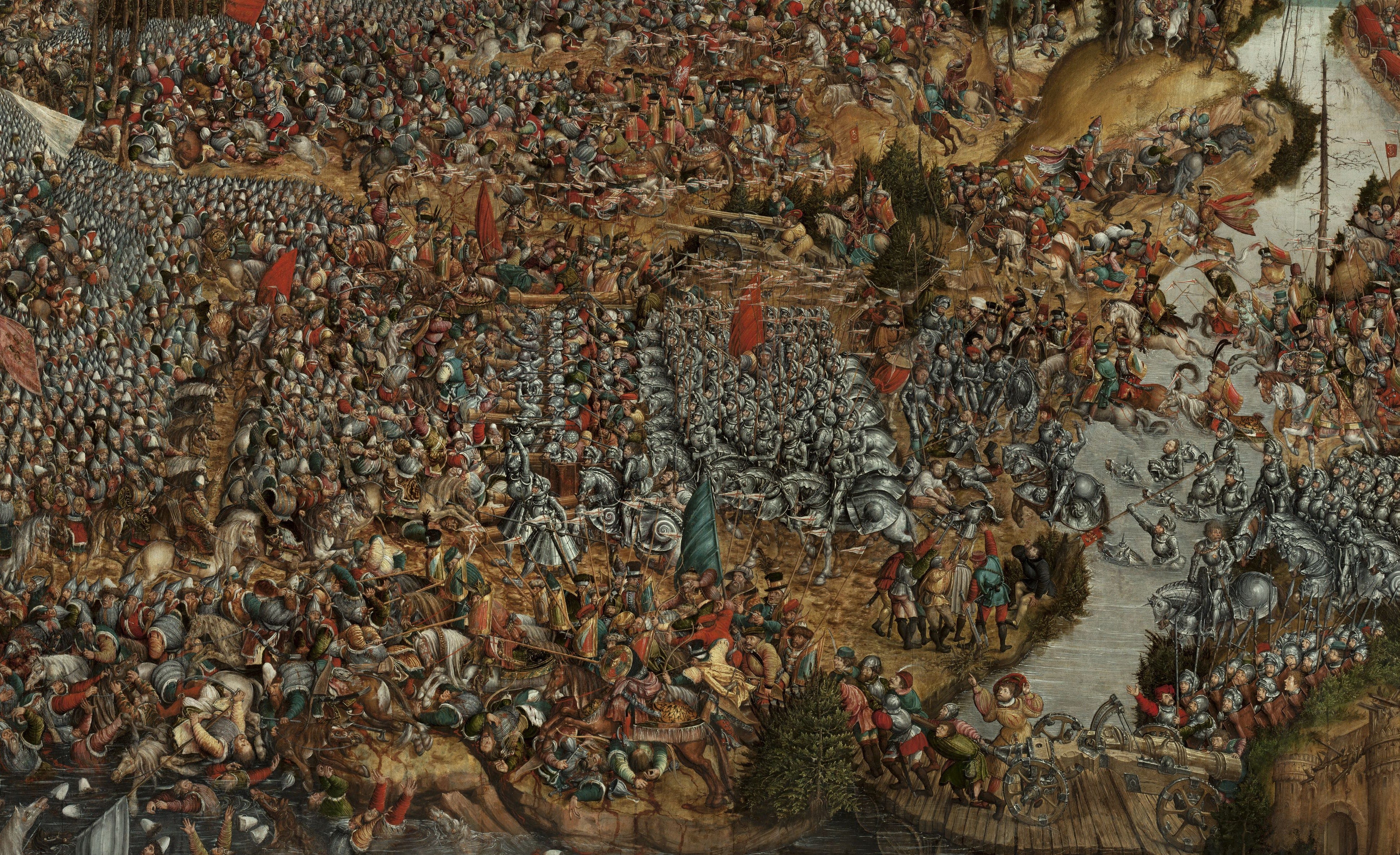
If there are two kings, and they want the same Christian town, each will want to be the first to capture it. There’s strong incentive to be first. You don’t want to miss out on having a bunch of free soldiers added to your number.
The more mixed a community, the more difficult it may be to capture. Say it’s your community. You want to evangelize your religion to everyone in your immediate surroundings. Jesus said to the Pharisees, “You traverse land and sea to win a single convert, and when he becomes one, you make him twice as much a son of hell as you are.” A convert far away is far less useful than your neighbor anyways. In this way, you really do start to form something like a church body.
But who do you convert? Your religion is new. People see it as a cult, and are naturally hostile. And the people you’re trying to convert are likely pagans with their own religious views and practices. These have served Rome well for centuries. Your Christianity is new and a threat to established order. For this reason, when Christians accepts you, they really accept you. They bring you into a new family that aims to compete with the familial relationships you already have.
Jesus says, “Think not that I am come to send peace on earth: I came not to send [or bring] peace, but a sword.” And then he goes on to say that he will cause the son to turn against his father, and the daughter against her mother, etc. But he specifically avoids disrupting husbands and wives. In doing so, Jesus is saying it’s expected if conversion separates children from their parents, but if your spouse is secular, you don’t divorce to find yourself a Christian one.
Now suppose your king becomes more than just a friend of Christians, but a Christian himself. This can be tempting for him when he’s surrounded by Christians, and especially when they’ve helped him win battle after battle.
However, conversion creates a bit of a problem. Now his entire territory becomes free for the taking. And he’s not allowed to use force to conquer new territory after that point. This doesn’t mean he’s cut off from all forms of violence. He is allowed to flip the tables at temples of any Christians in any territory. This means he can go to a neighboring Christian nation and if their priests are too greedy, he is allowed to set their house in order, if his own territory is morally superior to the territory he’s invading.
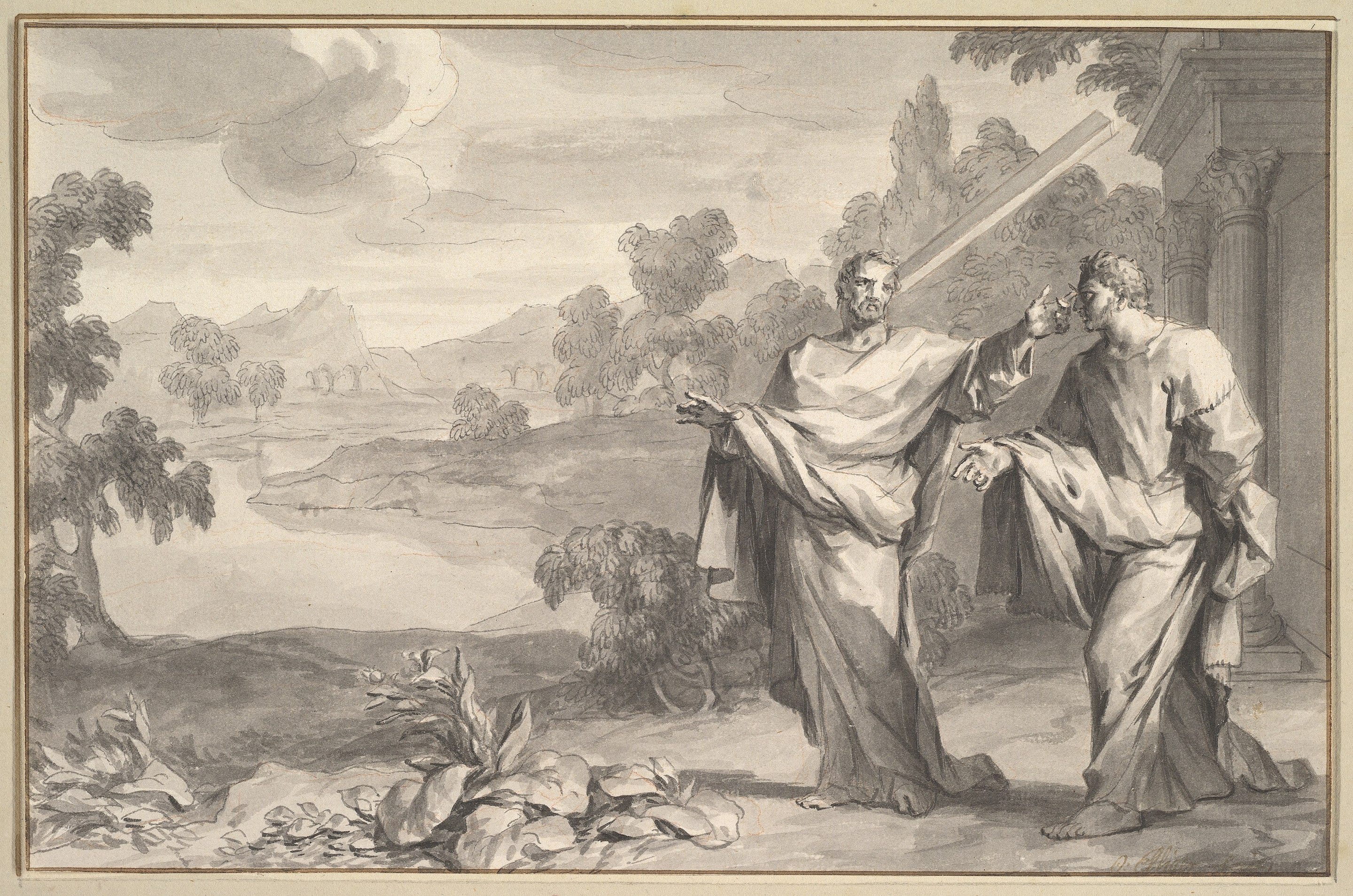
Jesus said if you have a big pole coming out of your own eye, don’t try to help someone get a speck out of theirs. First, resolve your own problem, even if your problem is large, and their problem is small. And so this system means that once a territory has become Christian, further escalations of violence ratchet everyone into greater moral purity.
The Christians are quick to take anyone in. Even the smallest amount of faith in Jesus is rewarded. If you’re a prostitute or a tax collector, Christians will take you in. Having even a mustard seed of faith is enough. And if you fall away from faith, that’s understandable. Even the original 12 disciples wavered.
Monasteries serve as another morality ratchet. Jesus said that it is better to cut off a part of your body than to have your whole body cast into hell. But of course we’re reasonable people. We’re not going to self-mutilate, are we? And this is where the monastery enters the picture. The idea is it makes good things easy. Monasteries eventually become sophisticated operations.

Back to armies.
The distinction between a king who likes to capture Christians and a Christian becomes blurred as the game unfolds. Once your territory is surrounded by other captured Christian territories, and you’re a Christian king, it’s hard to see yourself as a secular king with a taste for Christian subjects. You’re now a Christian king fighting for God and metaphorically flipping tables in the temples of blasphemers.
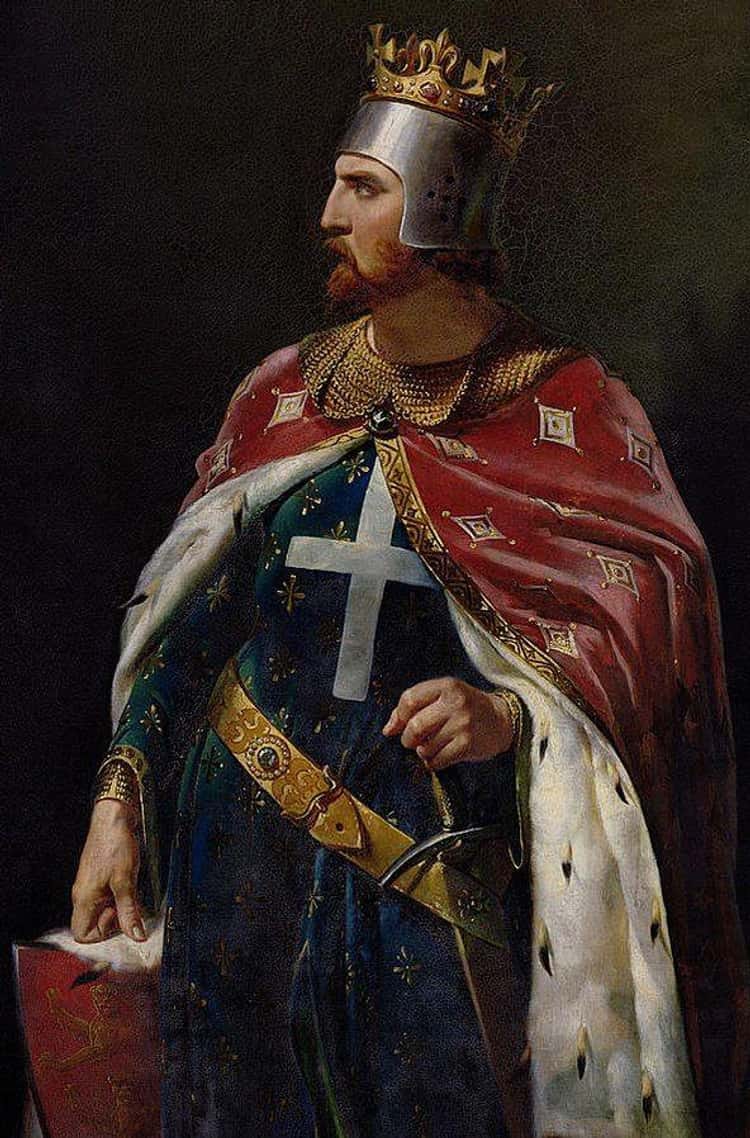
And once enough of Europe is Christian, now the question is how do you interact with Muslims? Islam believes in Jesus as a prophet, but not as the final prophet, and they don’t believe he’s God. If Jesus had the moral authority to flip tables in a Jewish temple, then why not a Muslim mosque? Haven’t the Muslims also fallen away from truth?
People don’t like it when their churches get invaded by religious zealots and trashed. There’s a solution to this: make them so beautiful that nobody in their right mind would dare destroy them.

Finally, and most importantly, there’s martyrdom. The role of the martyr is to be a kind of moral lighting rod. For the skeptic, one way to test someone is to push them to the point of death. If they remain faithful in the face of death, you almost don’t need to know anything else about their religion. You know it’s powerful stuff. And the cost of this discovery, however, is that you expose yourself as a heartless and brutal person.
By looking at Christianity as a civilization-level game with rules, we can discover the mechanics that make it work. There are many more mechanisms that together create a machine that operates by a compelling logic. I get the strong impression that any reasonable and thoughtful person would have found Christianity compelling, even at its worst moments.
Why easier for Christians if you’re wrong?